
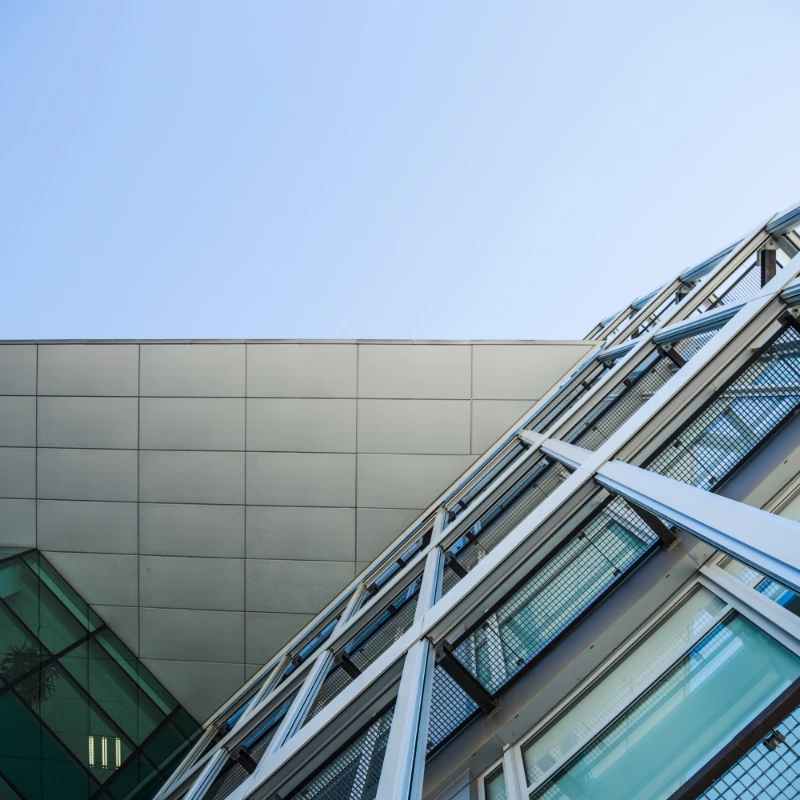
Curtain wall systems define the look, energy performance, and durability of modern buildings in Bangladesh. Whether you’re planning a high-rise in **Dhaka** or a mid-rise corporate office in Chattogram, choosing between **unitized, semi-unitized, and stick systems** impacts cost, timeline, and long-term maintenance. This expert guide breaks down how each system is fabricated, installed, and serviced—so project owners, architects, and contractors can make the right call the first time.
What Is a Curtain Wall?
A curtain wall is a **non-load-bearing external façade** that hangs on the building structure. Its primary function is to resist wind load, prevent water penetration, manage thermal transfer, and allow natural light into the building.
- Typical materials: Robust **aluminum frames** combined with glass or **ACP (Aluminum Composite Panel)** infills.
- Key structural specs: Must meet local requirements for **wind load**, water tightness, thermal performance, and incorporate proper **safety glazing**.
The Three Systems Explained
Unitized Curtain Wall
The premium choice for large-scale, fast-track projects.
- Fabrication: Large, multi-story panels are **fully assembled, glazed, and sealed in a controlled factory environment** (including **unitized curtain wall** modules).
- Installation: Panels are simply **hoisted and locked into place** floor-by-floor using mechanical connections. This is the **fastest installation method** on site.
- Best for: **High-rise buildings**, projects with aggressive or tight timelines, and those demanding a **premium finish** with minimal site error.
- Pros: Superior quality control, maximum installation speed, minimal on-site scaffolding needed.
- Cons: Higher upfront material cost, complex crane logistics, and detailed transport planning.
Semi-Unitized Curtain Wall
The practical middle ground, balancing cost and quality.
- Fabrication: A mix of **factory-assembled modules** (like transoms and pressure plates) and on-site assembly of mullions.
- Installation: Mullions are fixed first, then factory-made modules are installed.
- Best for: **Mid- to high-rise projects** where a balanced approach to budget and schedule is required.
- Pros: Good factory **quality control**, offers flexible detailing for complex building sections, and provides a good **cost balance**.
- Cons: Requires more detailed site coordination and labor than a fully unitized system.
Stick Curtain Wall (Site-Built)
The traditional, most adaptable system.
- Fabrication: All components—mullions (verticals) and transoms (horizontals)—are cut, transported, and **assembled piece-by-piece on the building site**. The glass is installed last.
- Installation: Slower, requiring extensive scaffolding as the façade is built from the ground up or floor by floor.
- Best for: **Low- to mid-rise buildings**, projects with complex, irregular geometry, or projects that are **value-driven**.
- Pros: Lowest material and fabrication cost, greater ease of on-site modifications and tweaks.
- Cons: **Slower installation**, high reliance on scaffolding, and a greater risk of water leaks or human error during on-site assembly and sealing.
Cost, Speed, and Quality—Quick Comparison
- Cost (lowest → highest): **Stick → Semi-Unitized → Unitized**
- Speed (slowest → fastest): **Stick → Semi-Unitized → Unitized**
- Quality Control (lowest → highest): **Stick → Semi-Unitized → Unitized** (The less site work, the higher the factory-controlled quality).
Climate & Compliance Considerations in Bangladesh
For any **glass façade Bangladesh** project, local weather conditions are critical:
- **Monsoon Readiness:** High humidity and heavy rain necessitate prioritizing superior **water management**, high-grade sealant quality, and using pressure-equalized designs.
- **Safety Glazing:** Always use **tempered/heat-strengthened** and **laminated safety glass** for public-facing areas. Consider Low-E coatings to maximize energy savings by reducing heat gain.
- **Wind Load:** Ensure an experienced **façade contractor Dhaka** performs precise wind load calculations, especially for coastal zones or very high structures.
When to Choose Which System
- Iconic high-rise, aggressive schedule: **Unitized**. The speed and guaranteed factory quality are invaluable.
- Corporate HQ, balanced budget: **Semi-Unitized**. It provides excellent durability without the maximum logistical complexity of unitized.
- Factories, showrooms, schools (low-mid rise): **Stick**. The cost-effectiveness and on-site flexibility are significant advantages.
Maintenance & After-Sales
Regardless of the system chosen, the long-term performance relies on consistent care:
- Plan for annual inspections of gaskets, sealants, and drainage systems to prevent long-term damage.
- Always prefer vendors, like Glass Master, who offer **lifecycle support and maintenance agreements**.
Planning a façade in Dhaka or beyond? Request a free consultation with Glass Master’s curtain wall team.
FAQ (Frequently Asked Questions)
- Is unitized always the most durable? It offers the most consistent quality due to factory assembly and fewer joints, making it highly reliable. However, overall durability depends heavily on the initial design, material choices, and regular maintenance.
- Can stick systems be used on high-rise? While technically possible, the time required, the safety risks involved with extensive high-altitude site work, and the greater potential for quality defects typically make **unitized** or **semi-unitized** systems a much better and safer long-term choice for high-rise buildings.